Made in Germany: quality and speed in laboratory construction
Highly complex laboratories with strict standards — and in a short time. Many assume they must choose between German engineering and rapid availability. In practice, Made in Germany now means both.
Planexus builds turnkey laboratory modules at the Albstadt-Laufen works. GMP, BSL and ATEX configurations leave the factory largely complete. On site, the remaining work is connection, commissioning and documentation — not a multi-year shell construction.
German engineering meets modular efficiency
Modular construction is not a compromise on quality. Steel frame, laboratory-grade surfaces, HVAC to DIN 1946-7 and documented factory acceptance tests happen under hall conditions, independent of weather and site delays.
Why 8 to 14 weeks is realistic
Foundations and media connections can be prepared while the module is built. Standard analytical containers typically need 8–12 weeks of production plus a few days on site. GMP cleanroom or BSL-3 programmes take longer because qualification is included — still far below a conventional laboratory build.
GMP and biosafety from German manufacture
Cleanrooms follow ISO 14644 and EU GMP Annex 1 where specified. BSL-2 and BSL-3 layouts include airlocks, HEPA cascades and documented pressure regimes. The regulatory bar is the same as for a brick laboratory; only the delivery method differs.
ATEX for explosive atmospheres
Hydrogen and battery test work requires ATEX-rated zones. Those configurations are engineered in Albstadt with the same documentation pack used for German, Swiss and Austrian authorities.
Why clients specify German manufacture
Shorter logistics into DACH, spare-parts access, language of documentation and auditability matter as much as the steel. A laboratory that starts generating data months earlier changes the investment case.
Total cost versus conventional laboratory build
Conventional programmes often run 24 months or more. Modular delivery compresses that calendar. Hire remains available for time-limited projects; purchase for permanent capacity. The detailed decision guide is in the magazine article on renting versus buying.
Frequently asked questions
How can a complex laboratory be ready in only 8 to 14 weeks?
The short lead time comes from parallel processes and modular prefabrication. While foundations and connections are prepared on site, the complete laboratory module is built in the factory. Quality checks run during production. The module leaves the hall around 90 percent complete — only connection work remains on site.
Do modular laboratories meet the same standards as traditional buildings?
Yes, without qualification. Planexus builds to the same GMP guidelines, cleanroom standards and biosafety requirements as conventional laboratories. The difference is construction method, not the requirements. Certification and documentation match regulated environments.
What happens later with extensions or conversions?
Modules can be extended and reconfigured. Wall elements can be moved, technical systems retrofitted and layouts adapted. An organisation can start small and expand without a complete new build.
What warranties apply to the technical systems?
Planexus provides statutory warranty under German law as standard. Maintenance contracts covering inspections, preventive servicing and spare parts are available. Critical components such as HEPA filters and controls are serviced to manufacturer specifications.
Is Made in Germany still competitive on price?
Comparing purchase price alone is too narrow. German manufacture scores on total cost: shorter lead times, lower transport cost, lower downtime risk and longer service life. A laboratory that generates revenue sooner often pays back faster than a cheaper option with a long wait.
Related articles
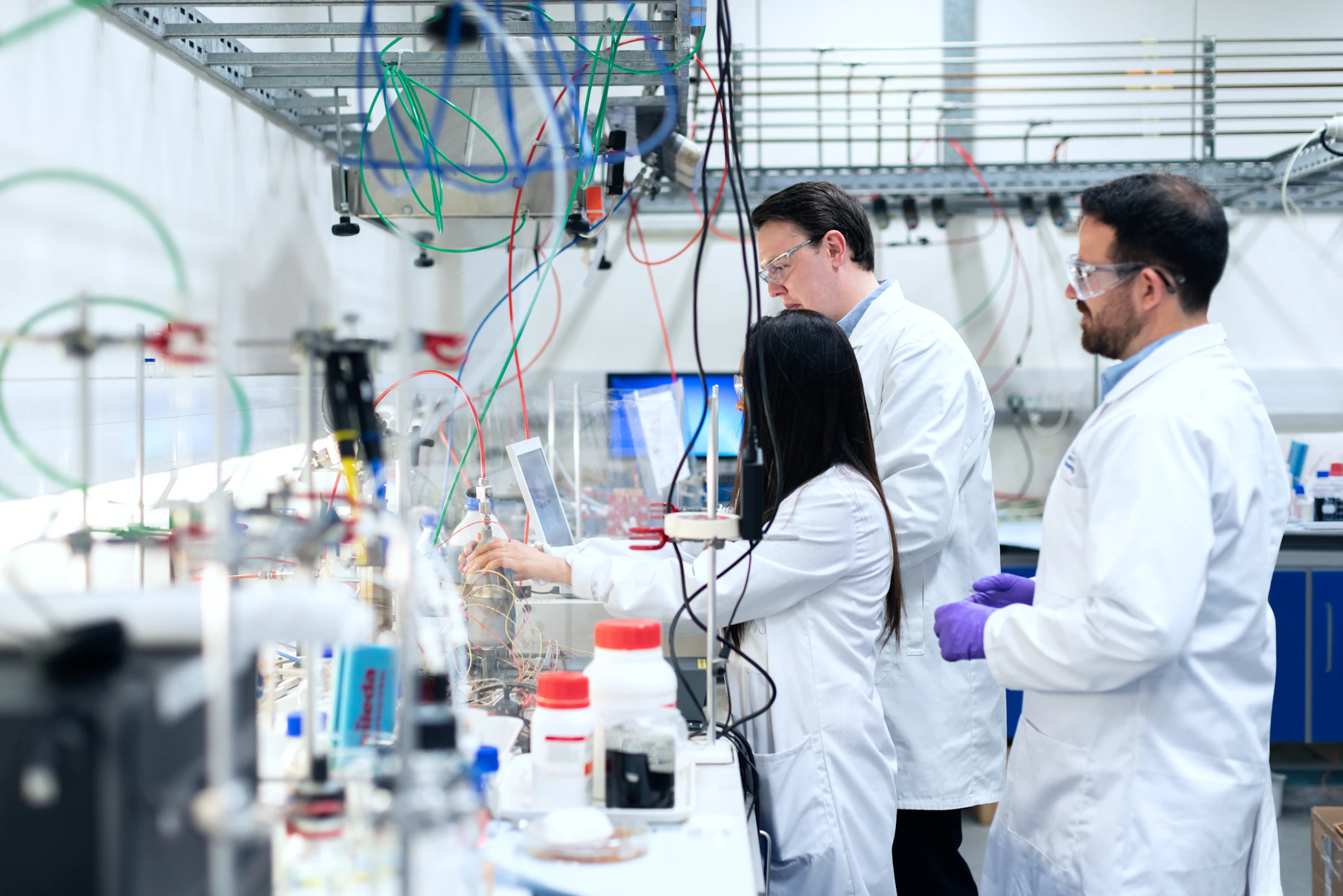
Innovation in modular construction: the future of the mobile laboratory
Why container laboratories are a genuine alternative to conventional construction.
GMP cleanroom in a container: pharmaceutical production in a compact footprint
What GMP-compliant container cleanrooms can do, what they cost, and where the limits are.
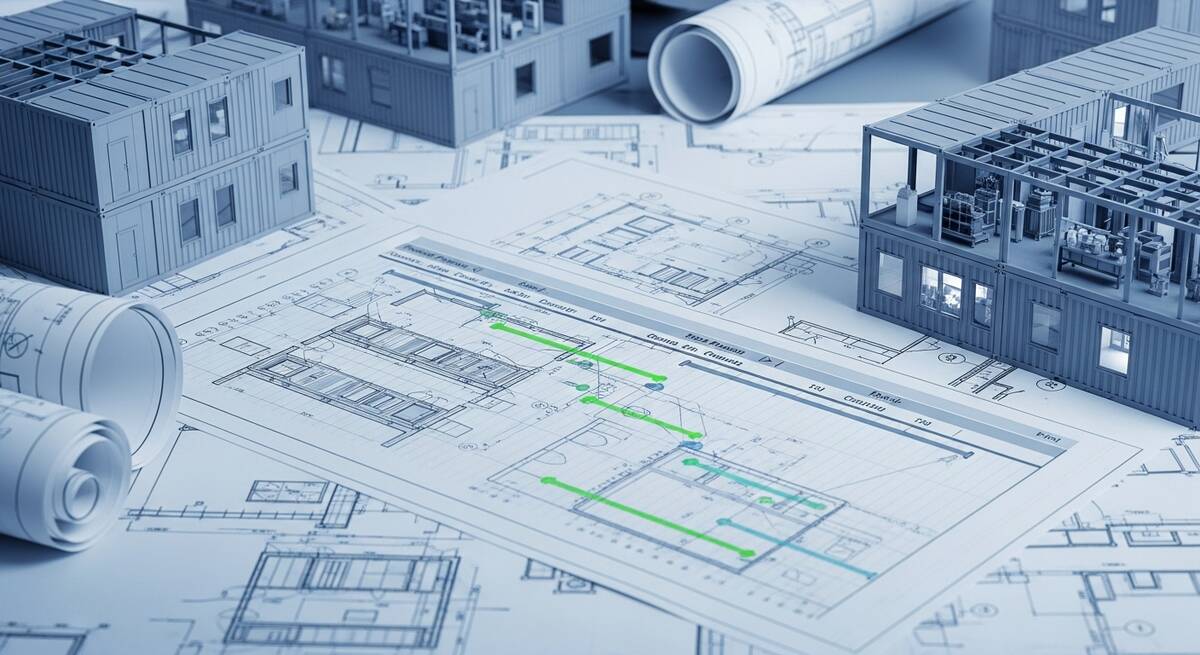
From idea to handover: a lab container project
The complete project process with timeline and checklist for clients.